


Table of Contents
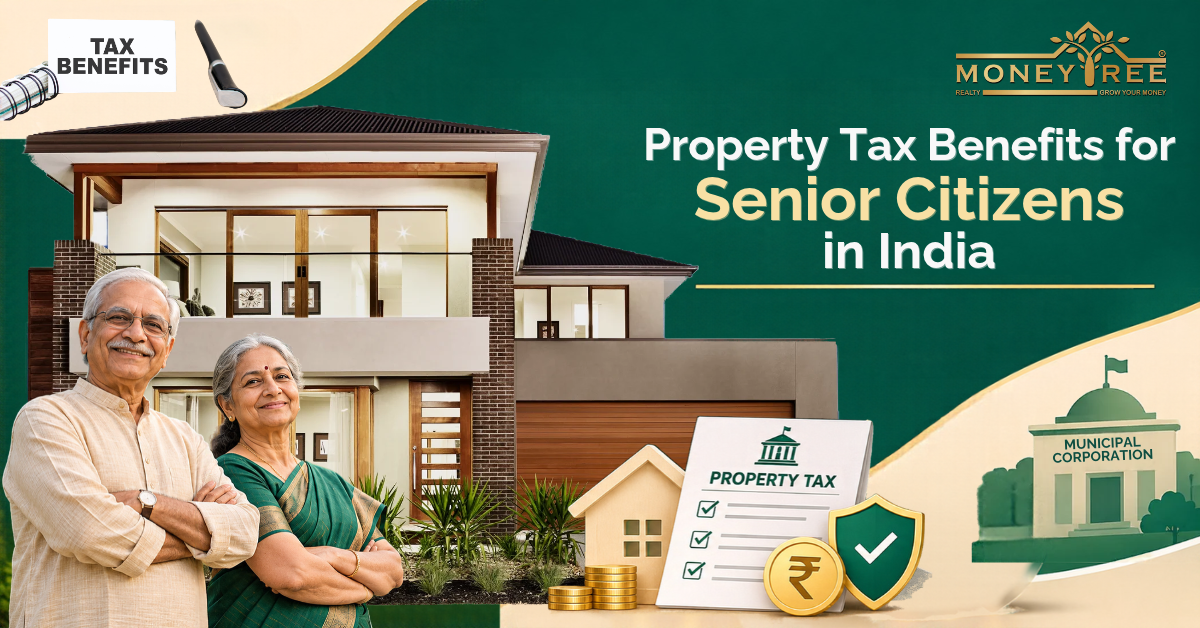
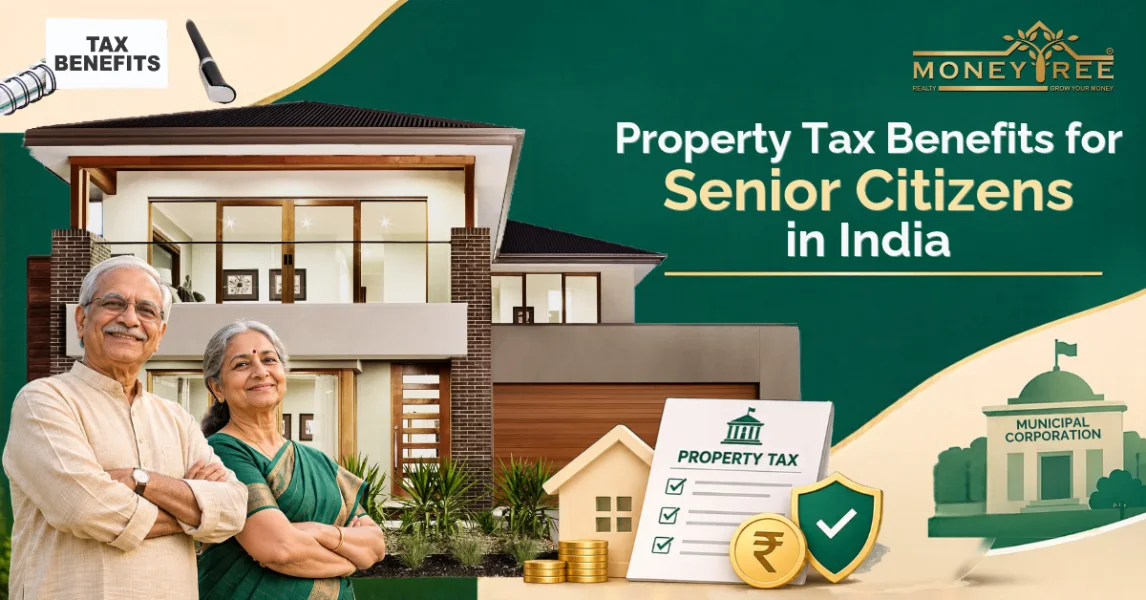
Living in one's own house and living a peaceful life after retirement is a dream of most people. But increasing property taxes and costs can prove to be a heavy load on the shoulders of senior citizens who may be receiving pensions and fixed incomes from their retirement savings. To help senior citizens get rid of this load, different municipal corporations in India provide special benefits for senior citizen property tax rebates, the form of a senior citizen property tax rebate.
The problem is that most older people who own houses do not know about the tax concessions available to them due to age-related eligibility criteria. While the property tax concessions available in India depend on factors like location and whether one qualifies or not for tax exemption, income tax concessions have different conditions attached to them as well.
This article is a guide to explain the Property Tax Benefits for Senior Citizens in India, where we will cover the following information about it: Who can apply for it; what are the various discounts available based on cities; what are the documents to be provided to obtain tax concessions; and the income tax benefits that one gets when he or she rents or sells the property.
What Is Property Tax and How Is It Calculated in India?
Property tax is an annual fee collected by local municipal authorities-such as the MCD in Delhi, BMC in Mumbai, or BBMP in Bengaluru-to fund basic civic infrastructure like roads, street lighting, parks, and waste management. Every residential or commercial property owner is legally required to pay this tax.
Under general Property Tax Rules in India, civic bodies typically calculate your annual bill using one of three methods:
The city of Mumbai operates with this type of taxation system. This method is based on the anticipated yield per square foot in relation to the construction area of the property.
What Property Tax Benefits Are Available for Senior Citizens in India?
Although there is no universal rule across the country that exempts everyone from paying the tax, there are many Senior Citizen Property Tax Benefits in India provided by the state governments and local authorities.
Property Tax Exemptions and Concessions
Generally, the municipal corporation gives a discount in terms of a percentage on the entire amount of the property tax. This differs from one city to another, but the old citizens get some exemptions of around 10% to 30%. Some cities have what is known as an 'Early Bird Discount', which falls in the range of 5% to 10% for the tax paid in the first quarter of the year.
Exemptions for Eligible Senior Citizens
Total exemption from property tax for senior citizens is not common, as municipal corporations need money for maintenance. But this does not mean that there are no exceptions. It often happens in many cities that in case of a senior citizen owning a small residential property (usually under 500 square feet) or falling in the EWS or BPL category, he or she gets a total exemption from property tax.
Benefits for Self-Occupied Homes
Local governments make a distinction between residential properties and other properties where rent can be earned. In India, almost all property tax benefits are available to self-occupied houses, which means houses where the owner lives personally.
Also, in case you own a house where you stay, your tax slab will be considerably lower as compared to commercial properties and those houses which are rented out by you. Additionally, the benefits for senior citizens also result in reducing your tax burden.
Eligibility Criteria for Senior Citizen Property Tax Benefits
To qualify for any property tax discount for senior citizens, there are certain requirements that you must meet:
Minimum Age Requirements
One has to be 60 years or older as of April 1 to be eligible as a senior citizen. A few municipal corporations even provide an additional category of "super senior citizen," who is above the age of 80 years.
Property Ownership Conditions
The property needs to be registered under the name of the senior citizen. In case the property is owned jointly between a senior citizen and a younger member of the family (e.g., son or daughter), most municipal organizations either refuse to provide the rebate altogether or allow the rebate in case of the senior citizen's own share in the property only. If both co-owners are senior citizens (e.g., husband and wife), the whole rebate becomes applicable.
Self-Occupied vs Rented Properties
For you to be able to claim the concession, the elderly person has to live in the property. If the house or the flat is rented out to other people, the property will be considered an income-producing asset; hence, the eligibility is lost.
City-Wise Property Tax Concessions for Senior Citizens in India
Senior citizen property tax refunds vary from city to city in India in accordance with the municipal laws applicable in each city. Some municipal corporations grant discounts, whereas other municipal corporations provide concessions according to age, ownership, and use of property.
| City / Municipal Body | Key Concession / Rebate Details | Important Conditions |
| Delhi (MCD) | 30% rebate on property tax. | Applies only to self-occupied residential properties up to 200 sq. meters. |
| Mumbai (BMC) | 100% exemption on general tax for homes up to 500 sq. ft. (applies broadly, benefitting seniors); specific senior relief applies to older properties under CVS freeze rules. | Must be a residential property; larger homes pay standard Capital Value rates. |
| Pune (PMC) | 40% concession on general tax for self-occupied properties (standard residential benefit), plus additional rebates for women and senior homeowners in specific brackets. | Property must be strictly self-occupied and registered via PT-3 form. |
| Bengaluru (BBMP) | 5% early-bird rebate for all taxpayers; no separate standalone senior citizen slab currently, though older buildings get higher depreciation discounts. | Depreciation slabs lower tax naturally for older properties owned by retirees. |
| Other Major Indian Cities | Chennai (GCC) and Kolkata (KMC) offer targeted rebates (10%-25%) or exemptions for low-value residential units owned by senior citizens and pensioners. | Requires annual life certificate or age proof submission in certain wards. |
Note: As municipal corporations revise the tax slabs through their annual budget, it is advisable to check the latest circular from the civic portal of the city you live in.
How to Apply for Senior Citizen Property Tax Benefits?
Senior citizens normally have to file an application to get their rebate on property taxes separately from the municipal corporation where they live. The requirements may include proof of age, proof of property ownership, and the latest property tax receipt.
Considering that discounts are not provided automatically after reaching 60 years, filing an application will help people save on property tax as a senior citizen.
Documents Required
Make sure you have these documents on hand both digitally and physically:
Online and Offline Application Process
How to Claim Property Tax Rebates
Your senior citizen rebate will be calculated once the information is updated in the municipal records and will automatically reflect in your tax invoice. Ensure that the calculation details for your annual challan take into account the rebate line item for senior citizens before making payment.
How to Check and Pay Property Tax Online?
Pay your property tax online from the comfort of your home within a matter of minutes by following these steps:
Important Things Senior Citizens Should Know Before Claiming Property Tax Benefits
A few guidelines before senior citizens can qualify for a senior citizen property tax rebate include that rebates are usually non-retroactive, a mutation of property needs to be done, applications have to be filed within certain time periods, and in most cities there is only one concession available per senior citizen on their own self-occupied house.
Conclusion: Making Property Ownership More Affordable for Senior Citizens
Benefiting from Property Tax Benefits for Senior Citizens in India is an effective means of safeguarding one's retirement funds without having to forego the luxury of living in a house. Keeping property documents updated, checking one's self-occupation, getting acquainted with municipal laws, and making payments for property tax well ahead of annual deadlines is essential in deriving benefits from the tax system.
Whether you are planning to downsize to a senior-friendly community, invest in a safer residential neighbourhood, or need guidance on property ownership and documentation in India, making informed decisions is essential. MoneyTree Realty,India's most trusted real estate advisor-helps you explore RERA-verified property options and make confident real estate decisions at every stage of life.
For expert property consultation, connect with us today and call now at +91-9732300007 for better property guidance.
Disclaimer: The contents of this article are intended for informational purposes only and are not intended to be used as legal or tax advice. The laws related to property tax, rebate percentage, and eligibility differ from one city to another, and can be changed by the local municipal corporation anytime. It is recommended that readers check the current policies with the concerned local municipal corporation or consult an expert tax consultant before using the information provided in this article.
Frequently Asked Questions