
.png)
.png)


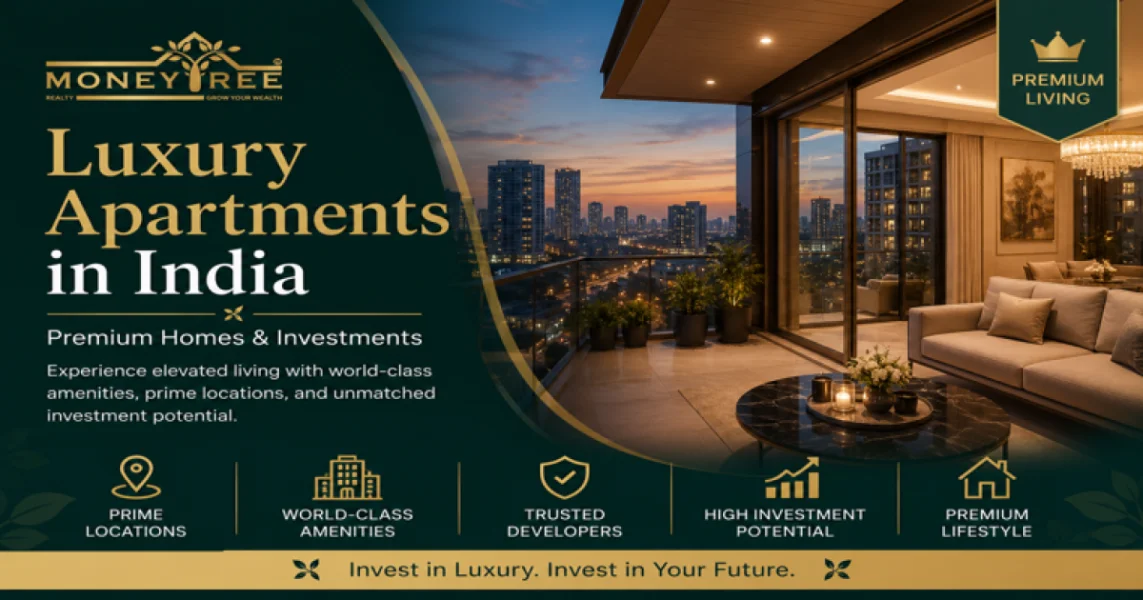
Table of Contents
Gone are the days when people used to find affordable apartments options in India. In 2026 as people look for flats to upgrade their lifestyle. Luxury apartments have become the best choice for those investors . Luxury apartments in India offer investors a strong capital appreciation, luxury lifestyle experience, premium rental yields, and an inflation hedge strategy. Prime micro markets in India feature 5-star amenities, smart home automation systems, and exclusive community experiences that attract high-net-worth individuals (HNWIs) and NRIs to invest in the luxury real estate market of India , resulting in resilient demand and limited supply.
Best Residential Project that Offers Luxury Apartments In India
India’s top luxury residential projects offer world class architecture design, five star amenities and prime locations. Best luxury residential projects include Elan The Statement and L&T Elixir Reserve Mumbai, Smart World Elie Saab Noida, and Shapoorji Joyville Vyomora Pune stand out as the best residential project that offers luxury apartments in India for investors .
Here are the best residential project that offers luxury apartment in india :
Elan The Statement Sector 49, New Project Sohna Road Gurgaon
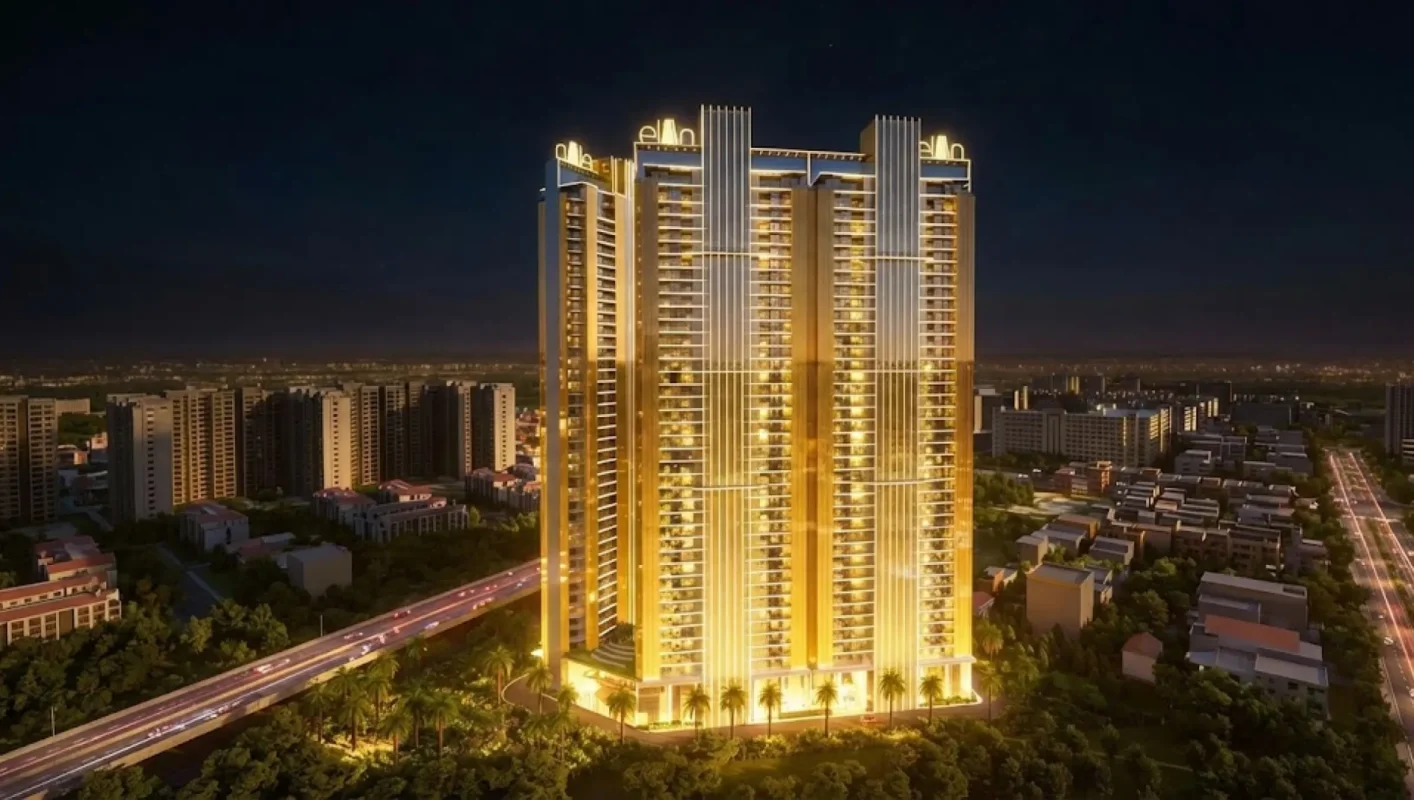
Elan The Statement is an ultra-luxury under construction residential project located in Sector 49, Sohna Road, Gurugram. Developed by the Elan Group, Elan The Statement features five iconic 39-story glass facade towers on 6.5 acres of land. Offering low density luxury living to investors, the property features only two 4-BHK units per floor and private elevator access.
Trehan IRIS Omara Sector 80 Gurgaon
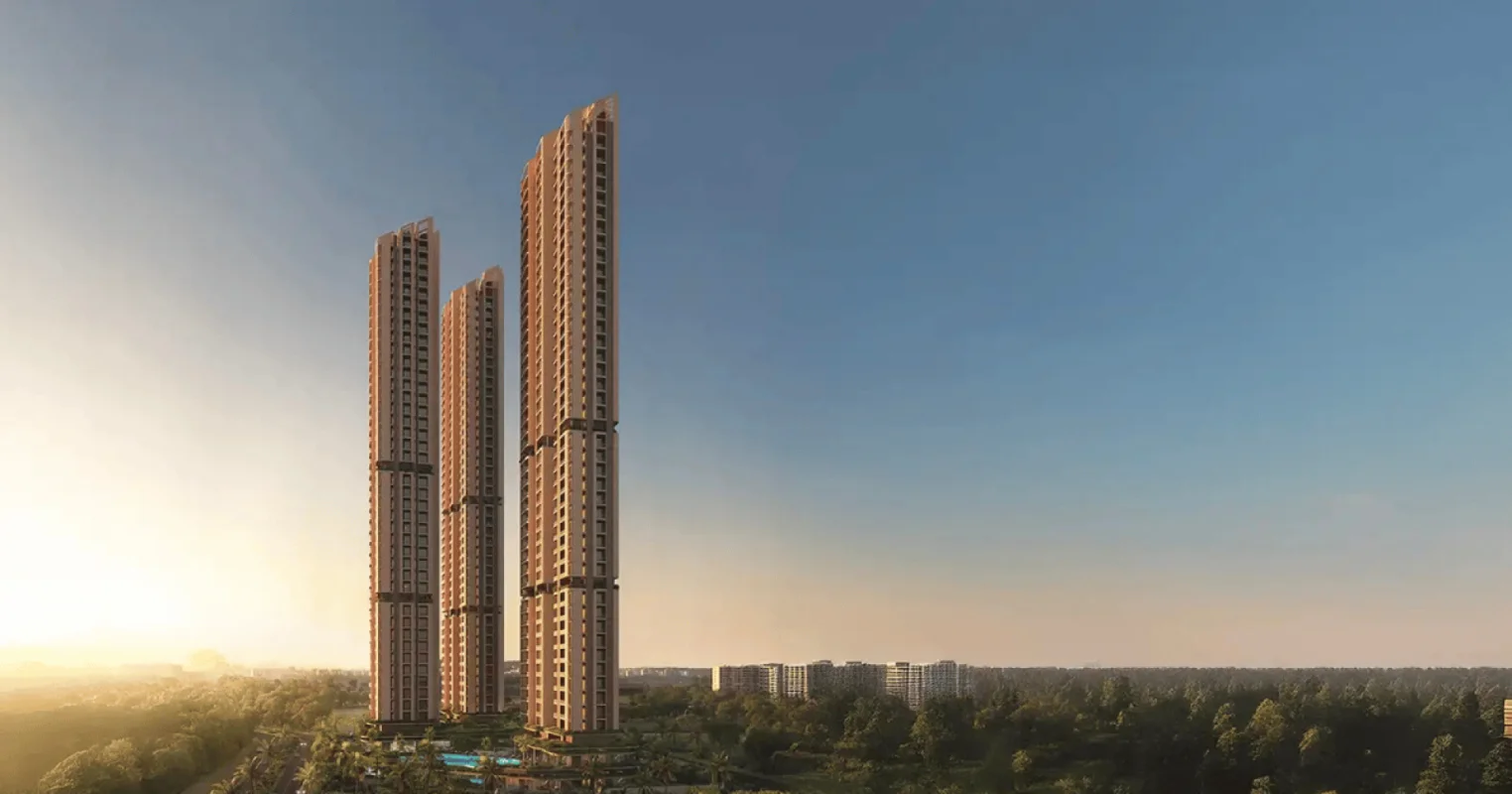
Trehan IRIS Omara Sector 80, Gurgaon, is a wellness-based, ultra-luxury residential project, which is just in its launch phase. The developer is now taking Expressions of Interest from potential buyers to gain a priority allocation and first-mover discount.
Dynamix Luma in Andheri East, Mumbai
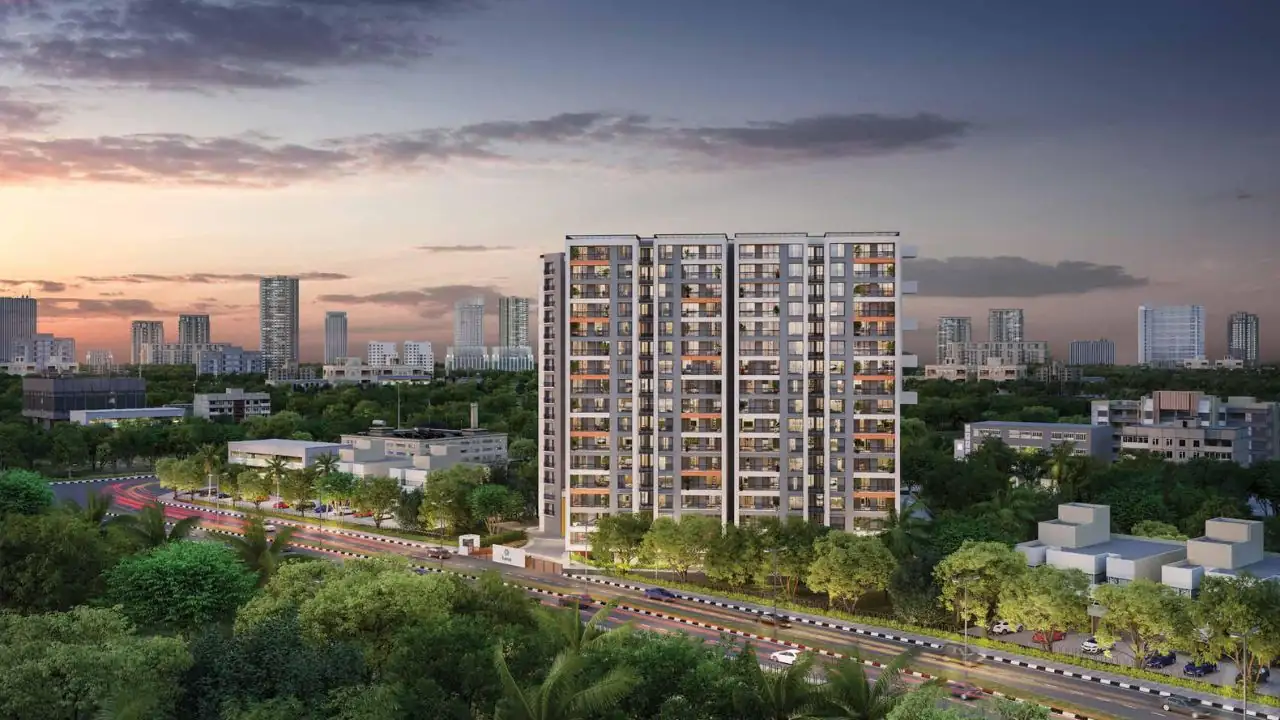
Dynamix Luma is a premium residential project located in the Andheri East, Mumbai. Developed by the renowned Dynamix Group, it offers high end 2BHK Apartment in Mumbai and 3 BHK luxury apartments in Mumbai. These homes are famous for the extra-large private decks that provide stunning city views. The project is IGBC certified, meaning it is built with eco-friendly materials and sustainable practices. With a focus on modern design, it balances luxury with everyday comfort perfectly.
Delta Bhagwati Navi Mumbai
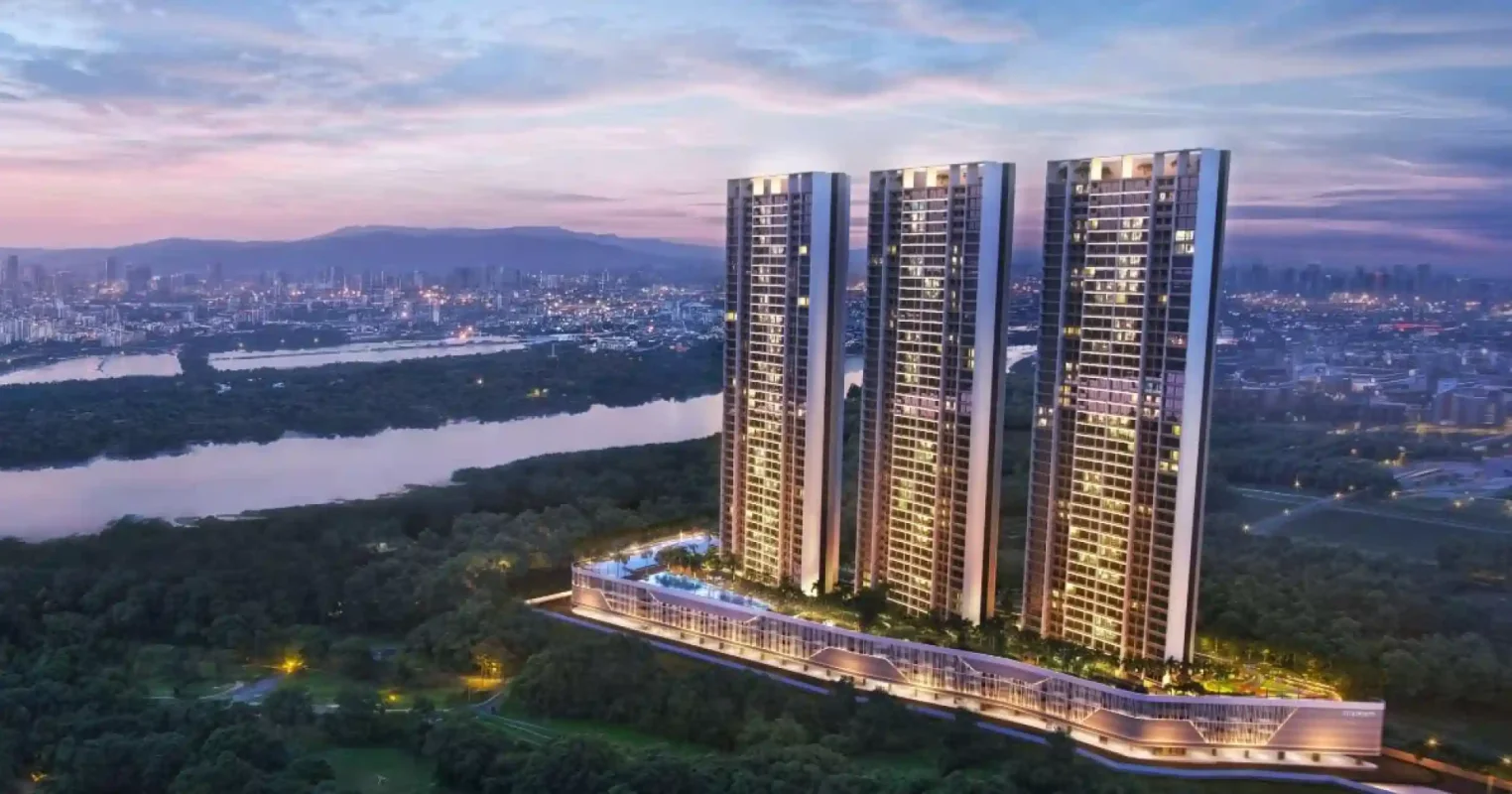
The Airoli residential development Delta Bhagwati serves as a high-end project under development by the collaboration of Delta Group and Bhagwati Group as well as Pyramid Group. The development spans 5.93 acres and includes 13 towers that rise to 45 stories each to present 731 units consisting of 2 and 3 BHK luxury apartments in mumbai.
Smart World Elie Saab Noida
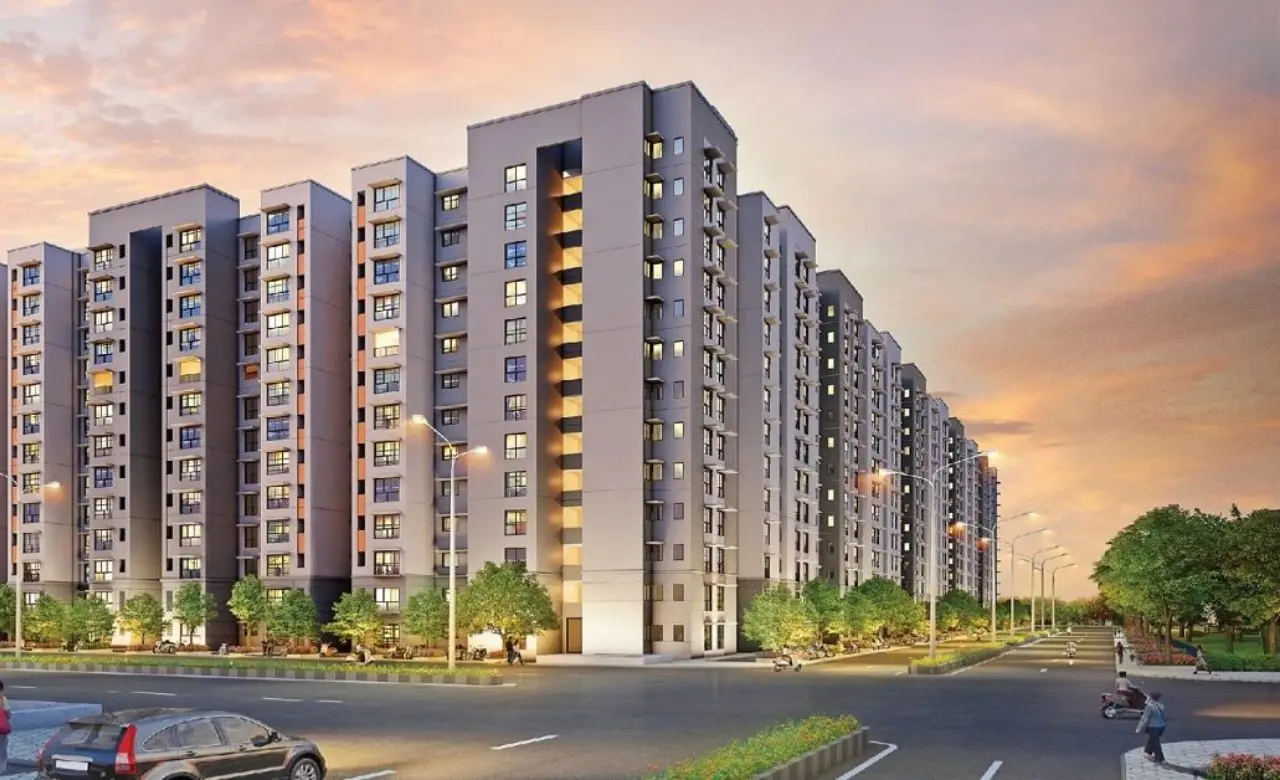
Smartworld Elie Saab in Sector 98, Noida, is developing as an ultra-luxury residential project by the collaboration between the Smartworld Developers and global fashion icon Elie Saab. The Smartworld Elie Saab project offers a varied configuration of flats that include 1 BHK, 2 BHK, 3 BHK, and 4 BHK. Smartworld Elie Saab's low-density layout limits each floor to only a small number of apartments, so residents enjoy a greater degree of privacy and exclusivity.
Trump Tower Noida
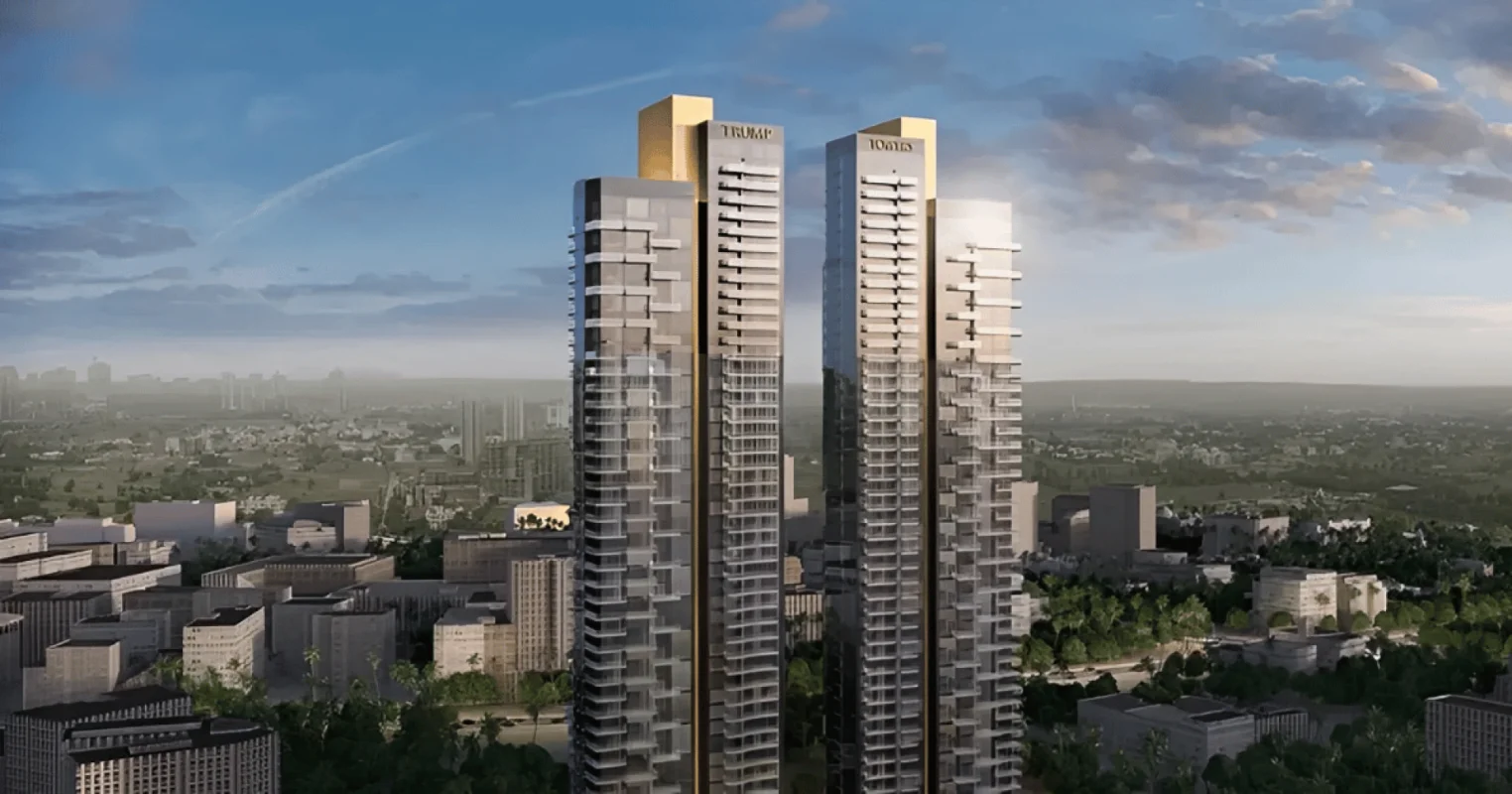
M3M Trump Tower Project in Noida is a high-end branded residential project developed by M3M Group in partnership with Tribeca Developers and The Trump Organisation. It is one of India’s most reputed branded residences and has paved the way for global brands to invest into the real estate of Delhi-NCR.
Shalimar One World 21 in Gomti Nagar Lucknow
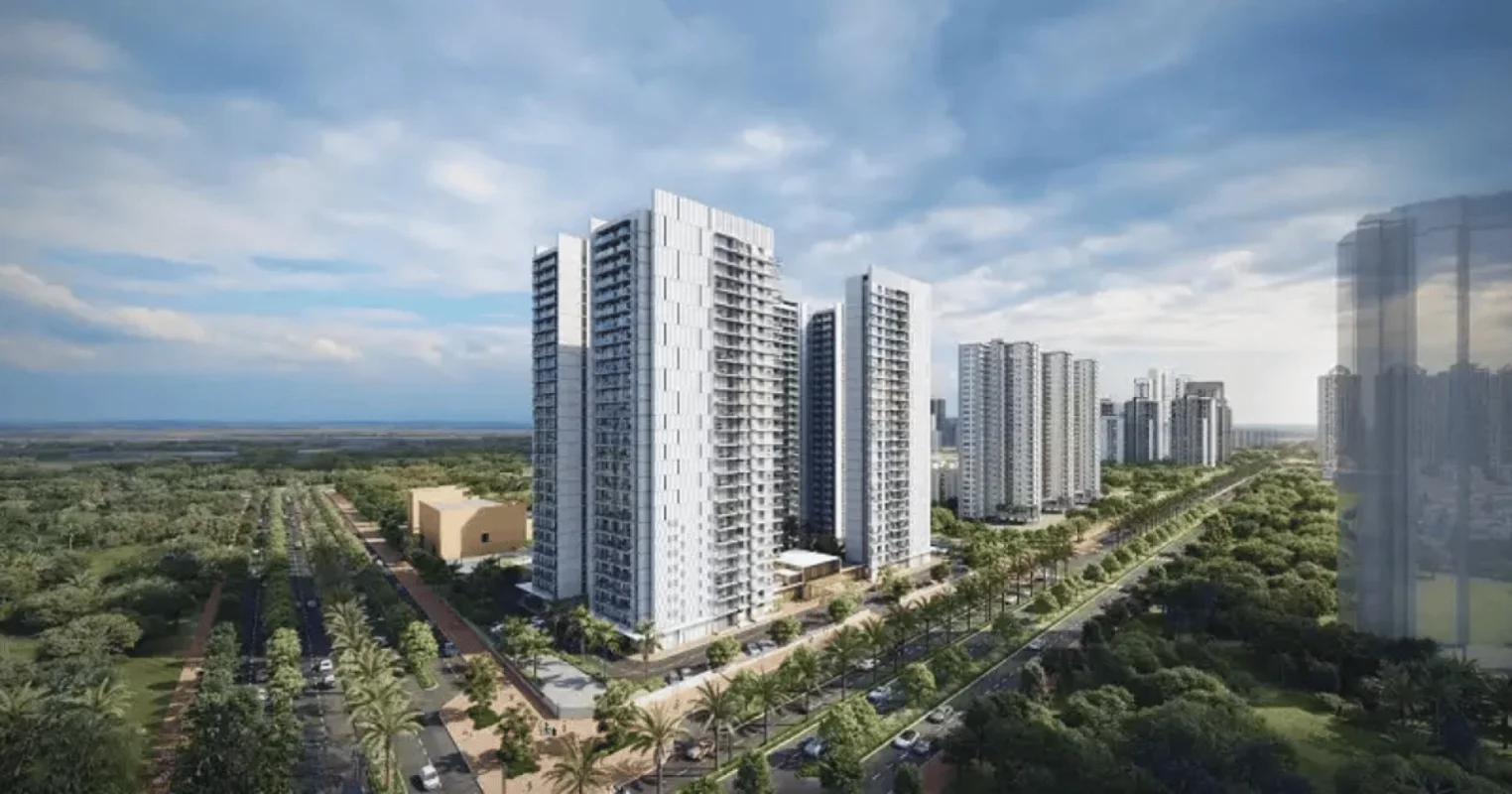
Shalimar One World 21 (also known as Shalimar Twenty One) is an under-construction, ultra-luxury residential sector located within the massive 223-acre Shalimar One World integrated township in Gomti Nagar Extension, Lucknow. Developed by the prominent Shalimar Corp Limited, the project holds the official RERA registration number UPRERAPRJ858081/05/2024 and is scheduled for possession starting around February 2029.
Shalimar OneWorld Pinnacle Lucknow
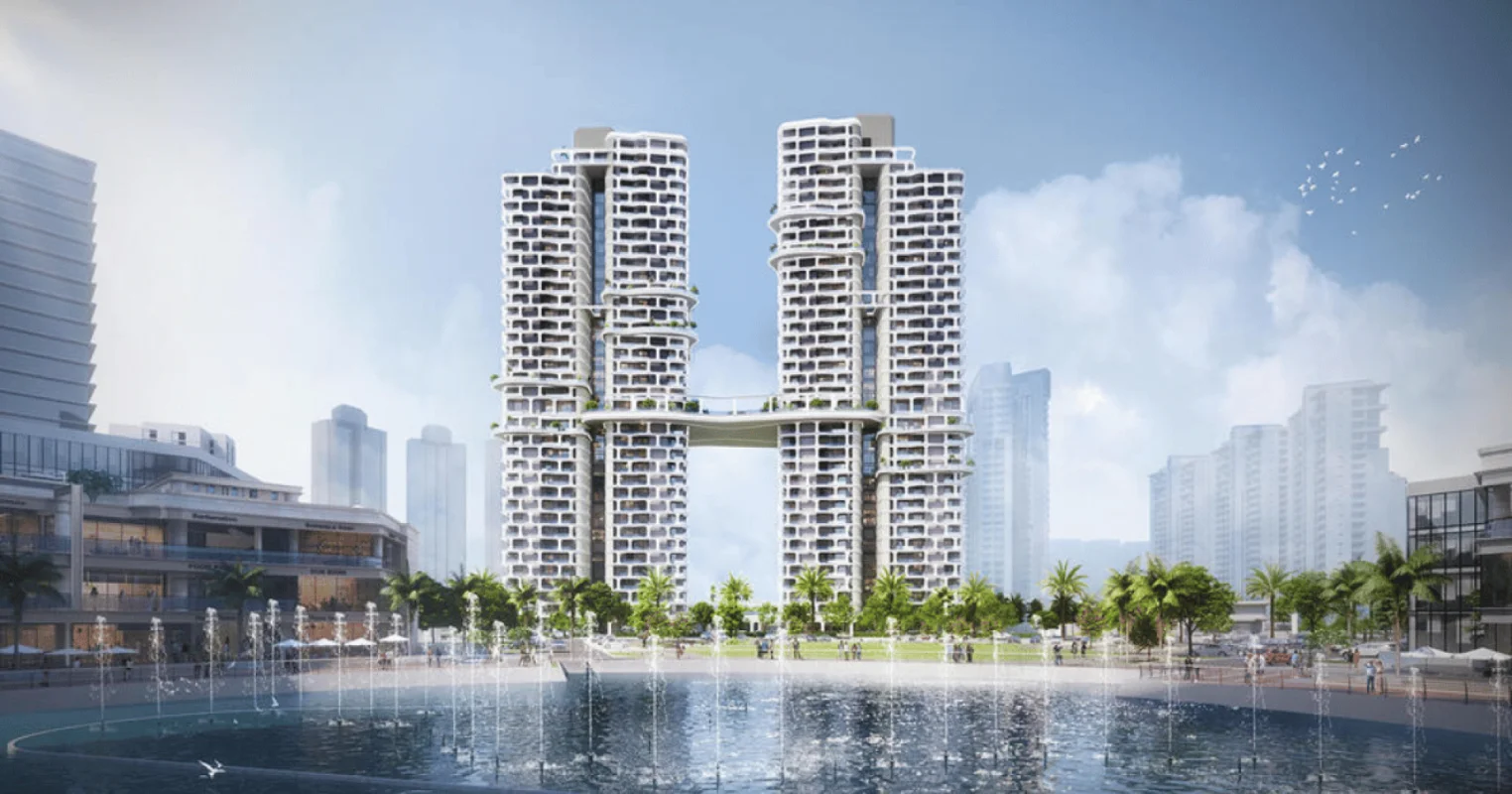
Shalimar OneWorld Pinnacle is an ultra-luxury residential skyscraper project located on Amar Shaheed Path, Gomti Nagar Extension, Lucknow, developed by Shalimar Corp. shalimar OneWorld township offers investors Luxury 4 BHK Flats in Lucknow in gomti nagar extension are situated in stunning 34 and 37-storey towers, offering grand layouts and exclusive penthouses. With the Shalimar OneWorld Pinnacle price starting around ₹4.59 Cr, each residence provides elite features like energy efficient VRV cooling and private decks with prime lakefront views.
Life Republic Aros Hinjewadi Pune
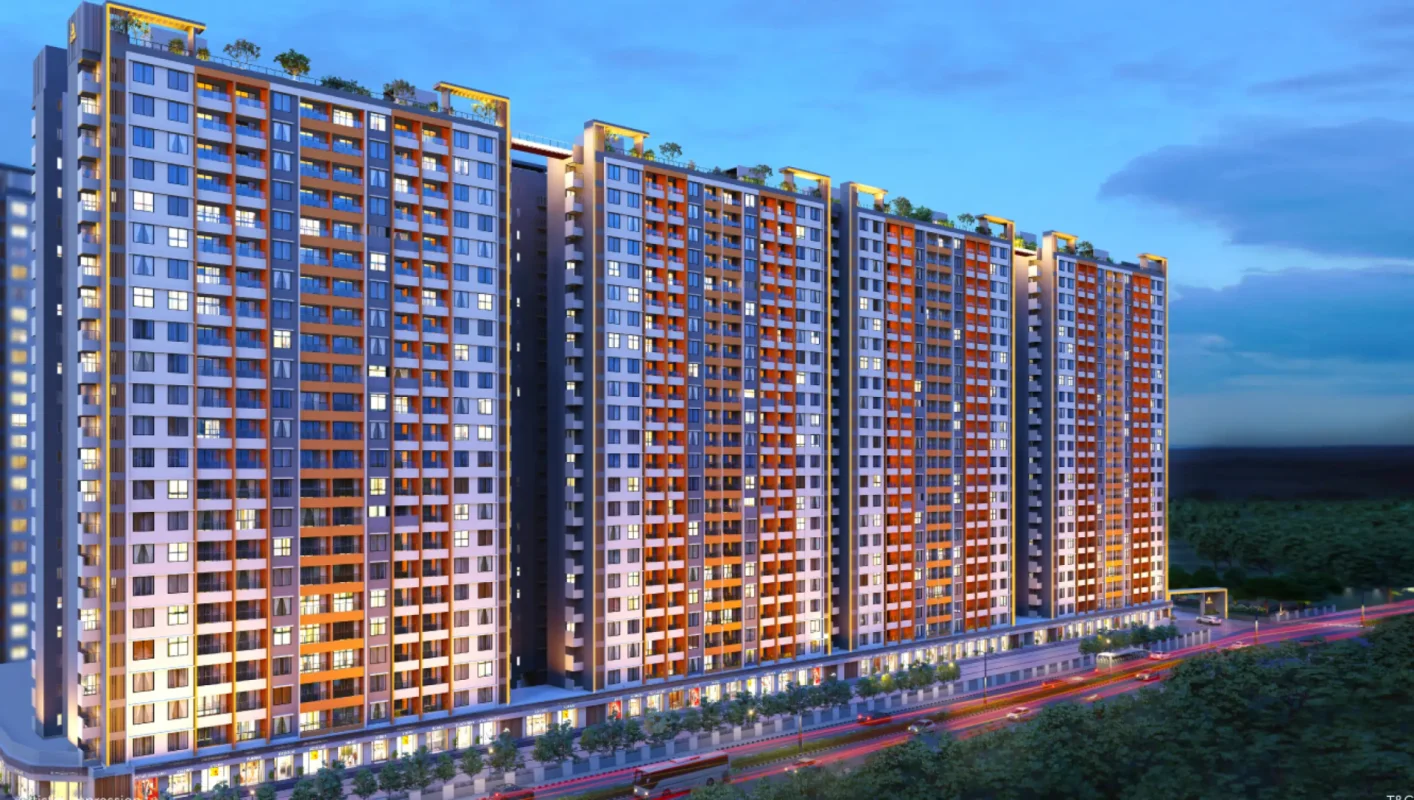
Kolte Patil Life Republic Aros is one of the lavish residential properties constructed by Kolte patil developers. Life Republic Aros new launch luxury project offers 2 BHK and 3 BHK apartments that have all the urban necessities for a comfortable lifestyle. The residential units have vitrified flooring and Jaguar sanitary fittings. Most kitchens in the apartments have an L-shaped granite platform and an exhaust. Situated in the key area of Hinjewadi, Pune, the project boasts seamless connectivity via Chinchwad Railway Stations, Dange Chowk road and Hinjewadi-Aundh road.
Shapoorji Joyville Vyomora Pune
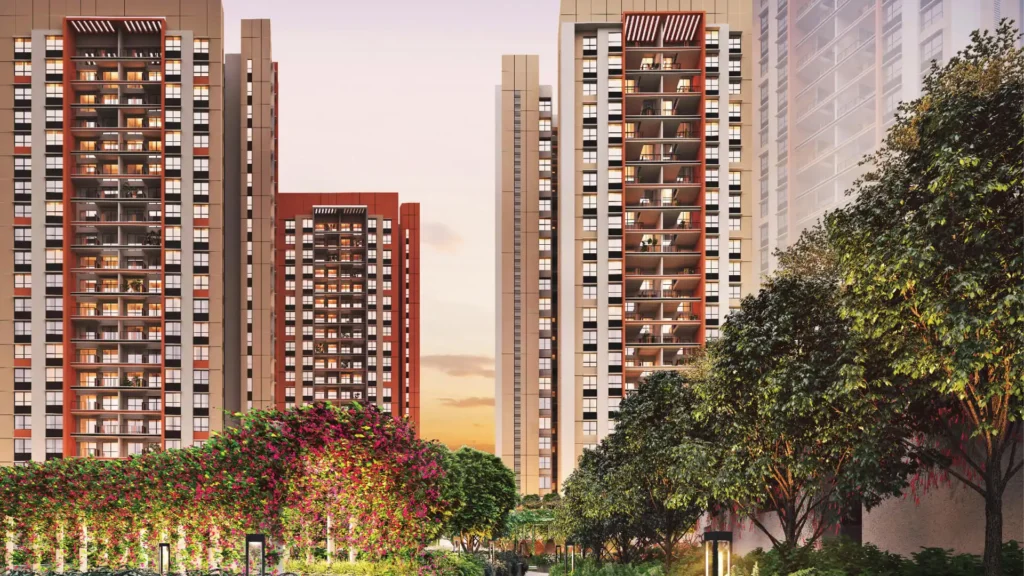
Joyville Vyomora is a Premium residential project. This complex is a well-thought residential complex by Joyville Shapoorji Housing Private Limited in the fast developing IT zone of Hinjewadi in Pune. The main aim behind the construction of this project is to offer a better urban living experience to its residents by incorporating quality architecture and wide open space in the complex.
What Defines Luxury Apartments in India
Luxury apartments in India are defined by experiential living and quality of life rather than just imported finishes or sheer scale. Properties priced above ₹3 crore and often ₹5–10 crore in urban hubs prioritize privacy, sustainability, smart technology, and wellness over basic opulence.
Here are some important factors that defines luxury apartments in india :
Low-Density Design & Exclusivity: Luxury apartments always come in landmark locations with low-density planning. This type of project is restricted to 4-8 apartments per floor that ensure privacy and exclusivity of investors.
Experiential Amenities: Luxury apartments are dedicated infrastructure development projects supporting investor daily life routine, including co-working spaces, wellness spas, biophilic design (green spaces), and air purification systems.
Smart Home Automation: Luxury apartments project come with the baseline IoT integration featuring biometric entry, ai-based multi layered surveillance security, and automated lighting and climate control.
Structural Opulence: High floor-to-ceiling heights (10 feet or more), use of imported marble or high-grade natural stone, and premium branded sanitary fittings.
Sustainability Integration: Eco-conscious building standards like LEED or IGBC certifications, rainwater harvesting, and zero-discharge systems .
Why Luxury Apartments in India in Demand
Luxury apartments in India is primarily comes in demand by rising surge in wealth and affluence, the post-pandemic lifestyle shifts, infrastructure growth, and strategic wealth allocation by high net worth individuals (HNIs) and Non-Resident Indians (NRIs) seeking top tier assets in Indian real estate market.
Here are some following reasons why luxury apartments in india in demand :
Surge in Wealth and Affluence: India’s rapidly expanding economy has created a massive influx of first-generation working professionals, successful startup founders, and corporate leaders to buy luxury apartments. This demographic possesses the financial capability to afford premium properties (such as the high-end projects booming across the Delhi NCR real estate corridor and Mumbai MMR).
Pandemic-Driven Lifestyle Shifts: Modern buyers viewing homes as all encompassing sanctuaries. The demand of luxury apartments has skyrocketed for larger floor plans, wellness focused amenities (like private gardens and spas), and integrated workspaces, shifting the focus from mere location to "experiential living".
Expat & NRI Investments: Global exposure and favorable exchange rates has prompted NRIs property investors to invest heavily in premium Indian real estate market to reconnect with their roots and diversify their portfolios.
Infrastructure Growth: Strategic infrastructure development upgrades such as new expressways, Metro extensions, and business hubs have significantly increased the appreciation value and ROI of premium real estate.
Regulatory Transparency: The implementation of the Real Estate (Regulation and Development) Act (RERA) has instilled confidence and accountability in the sector, making it an attractive, secure avenue for wealth investment.
Best Cities To Buy Luxury Apartment in India
In the Indian real estate market Mumbai, Gurugram, Noida, Pune, and Lucknow are considered the best cities to buy a luxury apartment in India. These metropolitan cities are dominant in the high-end residential real estate market, offering investors unmatched architectural design, premium smart home amenities, and strong capital appreciation in property investment.
Mumbai - The Financial Capital Of India
Mumbai known as India's financial and ultra luxury real estate market. Mumbai real estate market commands the highest property prices of the Indian real estate market (ranging start from ₹18,000 to ₹30,000+ per sq. ft.). In Mumbai most exclusive properties are concentrated in South Mumbai (like the Worli, Altamount Road) and premium western suburbs (Bandra) by developers like Lodha Group.
Noida - The Luxury Real Estate Hub
Noida has become one of the top choices for luxury apartments in India due to its planned infrastructure development, superior property affordability and value as compared to Delhi and Gurgaon market, and massive growth potential. Noida provides a seamless connectivity with NCR, globally inspired lifestyle with strong investment returns in property investments in noida.
Gurgaon - The Tech Luxury Market
The pinnacle of contemporary luxury living in India. Gurgaon real estate market along the Golf Course Road and the Dwarka Expressway offers investors ultra premium high rises apartments in India price range starting at ₹5 Cr to ₹10 Cr+. Key developers like DLF dominate the Gurgaon real estate market with the elite projects like The DLF Privana West and the DLF The Arbour.
Lucknow - The Emerging Luxury Giant
Lucknow surprises clients who haven't visited the city in five or six years. Gomti Nagar Extension, Sushant Golf City, the projects coming up along Shaheed Path. There's serious capital flowing in from local UP business families, returning NRIs from the Gulf and the US, plus Delhi-based investors who want to diversify out of NCR. Eldeco, Omaxe, Ansal, plus a few smaller players have figured out the demand pattern reasonably well.
The math on Lucknow is fairly simple. Four thousand square feet of luxury apartment in Lucknow costs a fraction of fifteen hundred square feet in Bandra. For a long-horizon investor, that price gap by itself is half the case.
Pune - Luxury Apartment Growth
Pune real estate market has a pleasant climate with a robust IT sector, Pune real estate market is becoming the ideal for aspirational homebuyers. Premium localities in Pune like the Koregaon Park and Lulla Nagar offer high end luxury living experiences at competitive rates (₹6,000 to ₹10,000 per sq. ft.).
Luxury Apartment Price Trends in 2026-27
Lucknow is emerging as a premier destination for luxury apartments investment in India due to the city's unique blend of high-end property affordability options, rapid infrastructure growth, and world-class lifestyle amenities. As compared to saturated metropolitan cities, Lucknow offers premium properties at more accessible price points without compromising on modern architecture or elite gated features.
Investment Benefits of Luxury Apartments In India
Real estate investment in luxury apartments in India delivers higher financial returns through 3.5% to 5% rental yields and rapid property capital appreciation. High-net-worth individuals, expats, and global CEO are driving persistent demand for luxury property in India. Prime-location in India like Mumbai, Gurgaon , Mumbai property assets feature high security, premium amenities, and strong resilience against market downturns.
Here are the following investment benefits of luxurur apartments in india :
High Capital Appreciation
The supply of genuinely prime addresses is fixed by physical reality, not by clever marketing. Worli's sea-facing strip has a length to it. The good stretch of Golf Course Road has a length to it. New launches in further-out suburbs don't change the math for the core micro-markets. That's the whole reason luxury inventory tends to appreciate more reliably than mid-segment housing.
Strong Rental Yields
Premium furnished apartments in addresses like Bandra West, BKC, DLF 5, Koregaon Park, Jubilee Hills tend to lease out to expat executives, founders, senior management. Realistic gross yields fall somewhere in the four to five and a half percent range, which compares favourably with what NRI owners typically earn from a comparable apartment in Dubai or Singapore or London once you factor in their local taxes and management overhead there.
Portfolio Diversification
For HNI investors who already carry serious equity exposure, a luxury property does something a stock portfolio can't easily replicate. Doesn't drop twenty percent on a bad earnings quarter. Doesn't move with global risk-off sentiment. Carries a built-in inflation hedge through the underlying land value. Most balanced portfolios benefit from a meaningful allocation here, even if it's just one well-chosen property held over a long horizon.
Brand Value and Prestige
Branded residences India has grown into its own demand category over the last few years. Trump Tower in Pune and Gurgaon, Four Seasons Private Residences in Mumbai, the upcoming Ritz-Carlton residences. A reasonable share of buyers acquire these properties partly for the calling-card value at the boardroom table. Perfectly valid motivation, by the way, and tends to make demand for these projects more stable than for unbranded equivalents at similar prices.
Key Features Buyers Should Look in Luxury Apartments In India.
Before buying a luxury apartment in India buyers should look for the prime locations, connected locations, high-end construction materials like Italian marble, and smart home automation systems. Buyers also require gated security, wellness amenities like spas and infinity pools, low-density privacy, and 24/7 concierge services.
Here are the key features buyers should look in luxury apartments in India :
Prime Location: A true luxury property in India comes in India with a central address in posh micro-markets, easy highway access, and premium views. The property should isolate you from city noise but keep you close to business hubs.
Best Construction Quality: Look for construction quality before buying a luxury property in India, a luxury property comes with the premium fittings, earthquake-resistant frames, double-glazed windows for noise control, and rich finishes like imported marble.
Advanced Smart Tech System: Modern flats come with the advanced smart technology homeowners use apps to control lighting, room temperature, curtains, and biometric smart locks. Investors get total peace of mind about the security with 24/7 CCTV and video doorbell systems.
Wellness and Leisure Amenities: In luxury flats in India include Olympic-sized swimming pools, fully equipped clubhouses, gyms, spas, and rooftop gardens. Some ultra-luxury projects even feature private theaters or golf simulators.
Conclusion : Looking For Buy Luxury Apartments In India
Buying a luxury apartment in India is a very good real estate investment in India . A luxury apartment in India offers investors a very good lifestyle , future property capital appreciation, and high rental income. Also luxury apartments are the best investment for long-term wealth creation.
But buying the right property in India is very confusing because the Indian real estate market is diverse in many locations and also in the Indian real estate market investors have many options for buying property . Buying the right one property is confusing and also you have to do a lot of paper legal work. This work may become challenging.
But don't worry MoneyTree Realty is here for your property buying assistance in India. MoneyTree Realty is India's most trusted real estate advisor in India. With more than 700+ professional real estate consultants we give end to end property buying assistance to our clients. With over 30,000 + Happy investors it becomes the best channel partner in real estate.
Contact us today at : 097323 00007 and book your free real estate consultant with us.
-card.webp)